


Description
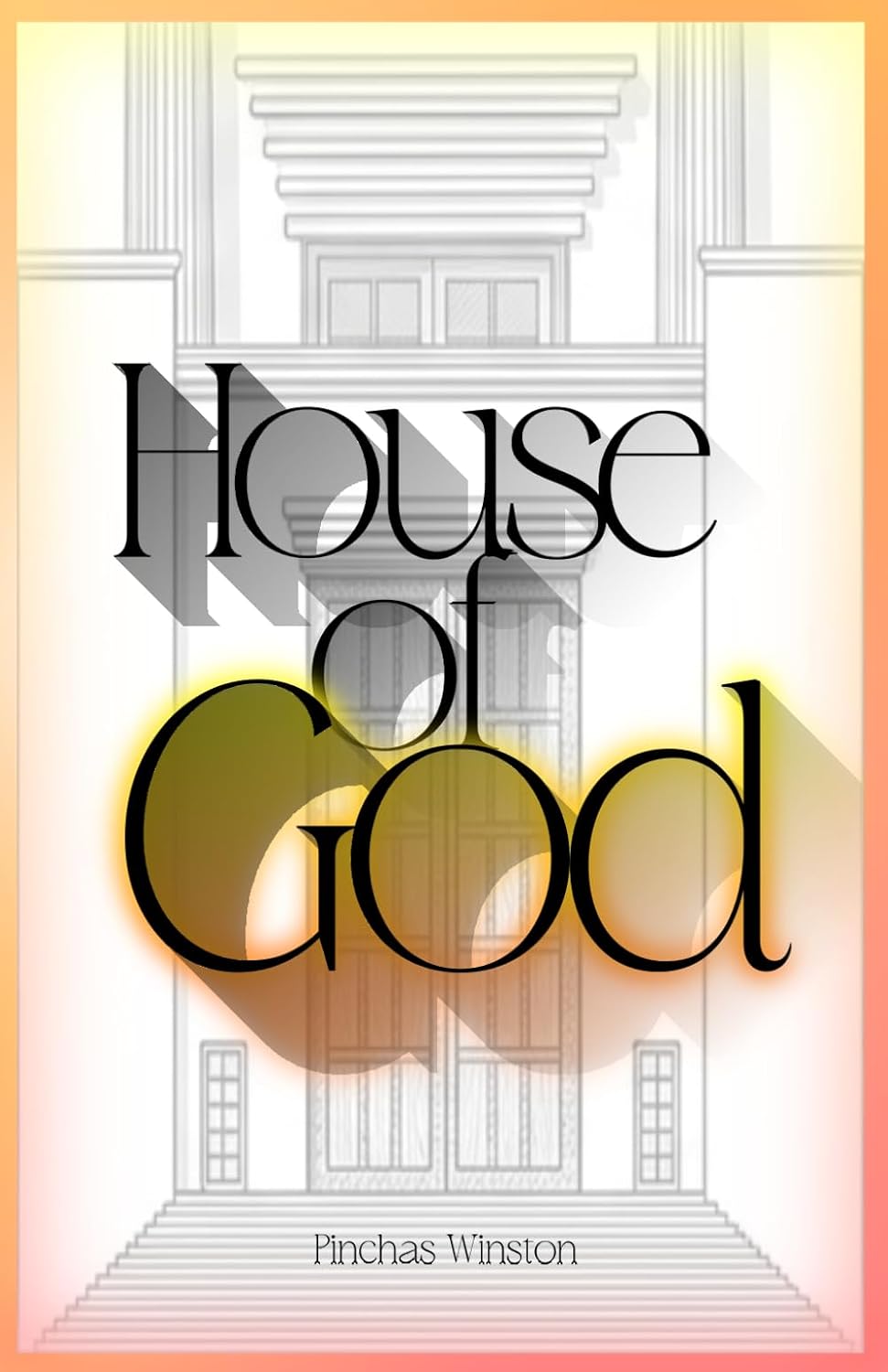
House of God – By Rabbi Pinchas Winston
When we first came to the place we now live in, we lived at the edge of the community. It was part of a newer section being built, and we were the most recent house to be completed.
Over the course of the next couple of years, newer homes went up, and we moved closer to the town center. We didn’t actually move anywhere—just the border did—and as it kept moving outward, we automatically became more central.
It was exciting to see new houses go up and new people move in. Shuls went up while others expanded. More people meant more local services, and that benefited all of us. But, despite changing the dynamic of the area, none of it really changed me.
Why should it have? How could it have? It was just a lot of new people, not much different than me, moving into the same neighborhood. They were all nice people, though of varying backgrounds, but there wasn’t anything about any of them that made me change the way I felt about myself or life for that matter. They minded their business, and I minded mine, and where they overlapped, we did things together as equals.
It would have been a lot different, though, had God moved in. That would have been a game changer, to say the least.
Inspiring?
For sure.
Uplifting?
You know it.
Unimaginable?
Without doubt.
When a loved one dies, it is very traumatic. If you happen to be there at the time, you may even see them pass from this world to the next one. It’s so dramatic that the images may stay with you for months after that or longer. Some people have a hard time letting go after that.
But eventually, time does its thing. As we move further away from the moment, the emotional connection weakens. If and when the memory does return, it does so, triggering less of a sad reaction each time. Eventually, sad memories give way to more pleasant ones, as if the “soul” of the moment has ascended as well, leaving behind only its lifeless “body.”
And that’s for the people who were there when the relative died. What about those born after, or much later on, like millennia later? They might know the name of their ancestor, but they won’t have any experience of them.
Distance doesn’t just happen in space, though. It happens in time. And time is how we heal from the disruptions that shake our world. We once had a Temple, but it “died.” The Babylonians “killed” it in 423 BCE, and though reconstruction began only seventy years later, it never returned to its former glory, not even close. The generation that saw it destroyed knew what they had lost, but not the ones that grew up without it, and certainly not those who have lived centuries and now, millennia later.
Talking about it helps to remember it once existed, but that’s all. Praying for redemption makes sure we don’t forget we’re waiting for another, but not more. We act toward the promise of a new Temple as if it is only a matter of some new people moving into our neighborhood. Exciting, but not life altering.
Wrong, so wrong.
When the third and final Temple finally comes, and that is a lot sooner than we think, everything will change. To be clear, the world will already have undergone many changes before it arrives, being the Messianic Era already. Nature may still function, as the Gemora says, but you will be surprised how miraculous life can be with nature still in the background.
In fact, all that has to really change is the way we look at things. Even now, two people can look at the same thing and see it differently— one as a miracle and one as natural. In the Messianic Era, with no yetzer hara and therefore no personal biases, we’ll all see it as naturally miraculous.
After all, at the core of everything is Ohr Ain Sof, God’s infinite light. Though everything may “look” physically solid, inside it has the potential to be whatever it needs to be as per the needs of Creation. Fixed reality is just a temporary measure for this period of history.
But once the Temple returns, much of that changes. Part of you will still recognize the world, but most of you will not because our capacity to experience will be greatly enhanced. Right now we exist within the world, but at that time we’ll be able to experience the world within us, a far more fulfilling experience.
It’s a little like looking at a stranger from a distance and then meeting and getting to know them. Eventually, the once two separate worlds will merge, and if it is relevant they might even get married and become what the Torah calls “basar echad—one flesh.” Now, imagine doing that with all of Creation and everything in it.
Because when God makes His Presence so known, especially at the End of Days when free will is no longer necessary to maintain, the sublime unity of His light will join Him and spread to the entire world. It will awaken parts of us that we never knew existed, open us up to altered states of consciousness and much higher levels of spiritual awareness. Anyone living then will wonder how we thought we were alive at this time.
And the Third Temple won’t just be another religious building. It will be a portal to even higher levels of consciousness not reached since Adam HaRishon was first created. But we’re getting ahead of ourselves. There are things we need to first discuss to be able to appreciate what any of this means.